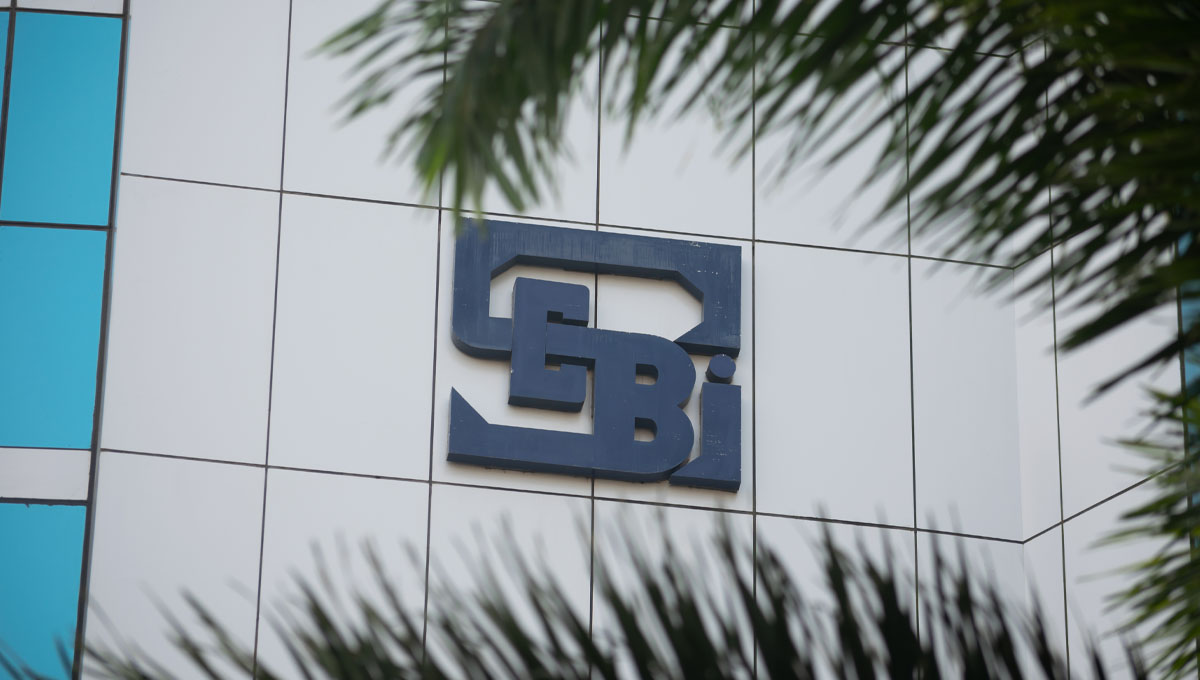
Twin Circulars were issued by SEBI in November 2026, setting out how Real Estate Investment Trusts (REITs) and Infrastructure Investment Trusts (InvITs) should issue depository receipts (DRs) on their units.
DRs are foreign-currency instruments issued by a foreign depository against units held with a SEBI-registered domestic custodian. They can be listed on two exchanges: India International Exchange (India INX) and NSE International Exchange (NSE IX), both in GIFT IFSC. The circulars took effect immediately.
The twin circulars operationalize the Depository Receipts Scheme, 2014 and the FEMA (Non-debt Instruments) Rules, 2019, which treated REIT and InvIT units as permissible securities. The missing part was SEBI’s own machinery. SEBI’s August 2026 consultation paper pointed out this as a regulatory mismatch, and in September, cleared the fix.
Two Routes to Issuing DRs
There are two ways of issuing DRs – one, a fresh issue of units, which is a straightforward capital raise in foreign currency, and another, a sponsored DR programme, involving a transfer by existing unitholders, who deposit units they already hold with the domestic custodian so that DRs can be issued against them.
The second option is often preferred, but transfers by existing unitholders could prove more significant. Sponsors and early institutional holders often prefer exits that do not weigh on the domestic unit price. A DR route lets them sell to offshore buyers without increasing liquidity/availability of units in Indian markets; the circular contemplates that. This can be explained further by noting that, when existing unitholders transfer units, the trust must give every unitholder a chance to tender, not only the sponsor.
A fresh DR issue mandates at least 75% of votes cast by the unitholders, maintaining a high approval threshold. The DRs listed alongside a simultaneous initial offer need no separate vote, and once unitholders approve an overall limit, later tranches within it need no fresh resolution.
The manager files the offer document through a merchant banker; SEBI aims to comment within seven working days, and the exchange decides on in-principle approval within 15 days.
Why GIFT City, and why non-residents only?
Confining listings to the IFSC exchanges keeps the instrument within a perimeter that Indian regulators supervise and gives GIFT City a listed yield product it lacks at scale. The framework ties three policy threads together:
- Expanding the REIT and InvIT fundraising ecosystem,
- Positioning GIFT IFSC as a destination for capital formation, ensuring its role extends beyond mere trading, and
- Broader international participation in Indian physical property.
A DR holder, including its beneficial owners, must be resident outside India. The route is meant to bring in foreign money, rather than offering Indian residents dollars on assets they can already buy domestically.
Guardrails for Domestic Unitholders
The circular provides parity between DR holders and domestic unit-holders, through the following mechanisms:
| Price floor | DR-linked units cannot be priced below what domestic investors pay in the corresponding mode of issue. |
| No back door on holding limits | When testing holding limits, a DR holder’s domestic units, and those of its beneficial owners and persons acting in concert, are added to its DR-backed units. |
| Public float | Units held for DRs count as non-public, so a trust cannot use DRs to meet minimum public unit holdings. |
| Voting | The foreign depository votes the underlying units only on the DR holder’s instructions. |
| Disclosure parity | Anything disclosed on the international exchange must be filed with the Indian exchange within 24 hours. |
| Custody first | No DR can be issued until the domestic custodian confirms receipt of the units. |
Market Investment vs Market Potential
The listed trust market is still developing. SEBI data cited in recent reports showed six REITs and 26 InvITs, with about ₹10 lakh crore in assets, as of August 2026. The new route’s value lies with offshore investors who cannot or prefer not to hold rupee securities, and in the visibility a dollar listing gives investment trusts planning future raises.
However, the questions are yet to be answered: they are earned in rupees, so currency risk sits with the DR holder. However, the circulars do not address tax, which will require clarity from the government of India. Liquidity for a yield income product at India INX and NSE IX is untested. And privately listed InvITs are excluded because their ₹25 lakh minimum lot and institutional-only participation would be hard to enforce once receipts trade offshore.
The framework is still at an early stage; whether it works will depend on the first trust willing to price a dollar tranche at GIFT City.
Authors: Pracheta Bhattacharya and Rashmita Das.